
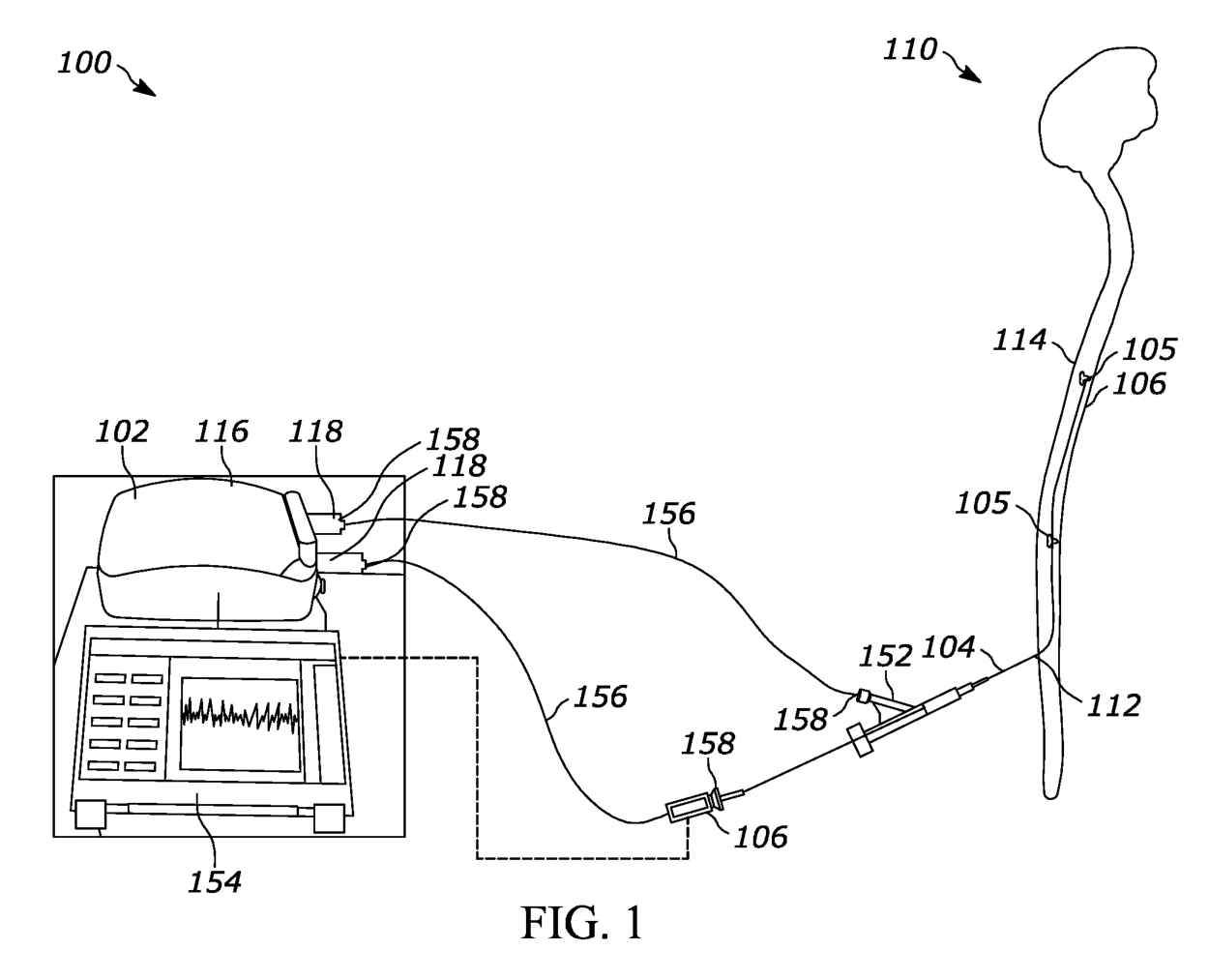
 Enlarge figure ↗
Published patent application · 2022
US20220379010A1
Research & publications
My research focuses on cerebrospinal fluid dynamics, intrathecal drug delivery, patient-specific modeling, and propulsion.
Intellectual property
Four co-invented, published US patent applications. Drawings are extracted from the original application PDFs, with the publication and application numbers shown for each record.
Enlarge figure ↗Published patent application · 2022
US20220379010A1
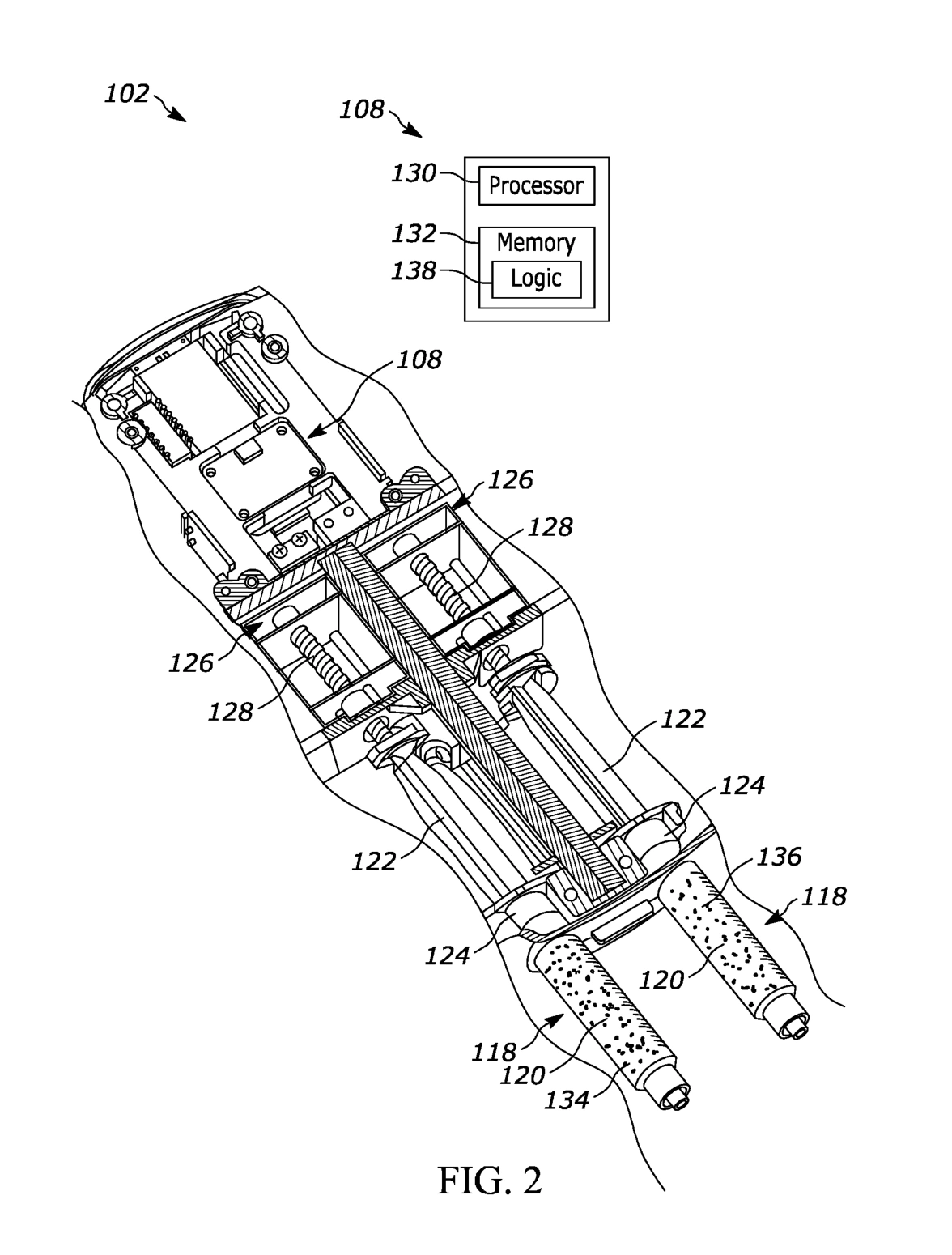 Enlarge figure ↗
Published patent application · 2022
US20220370716A1
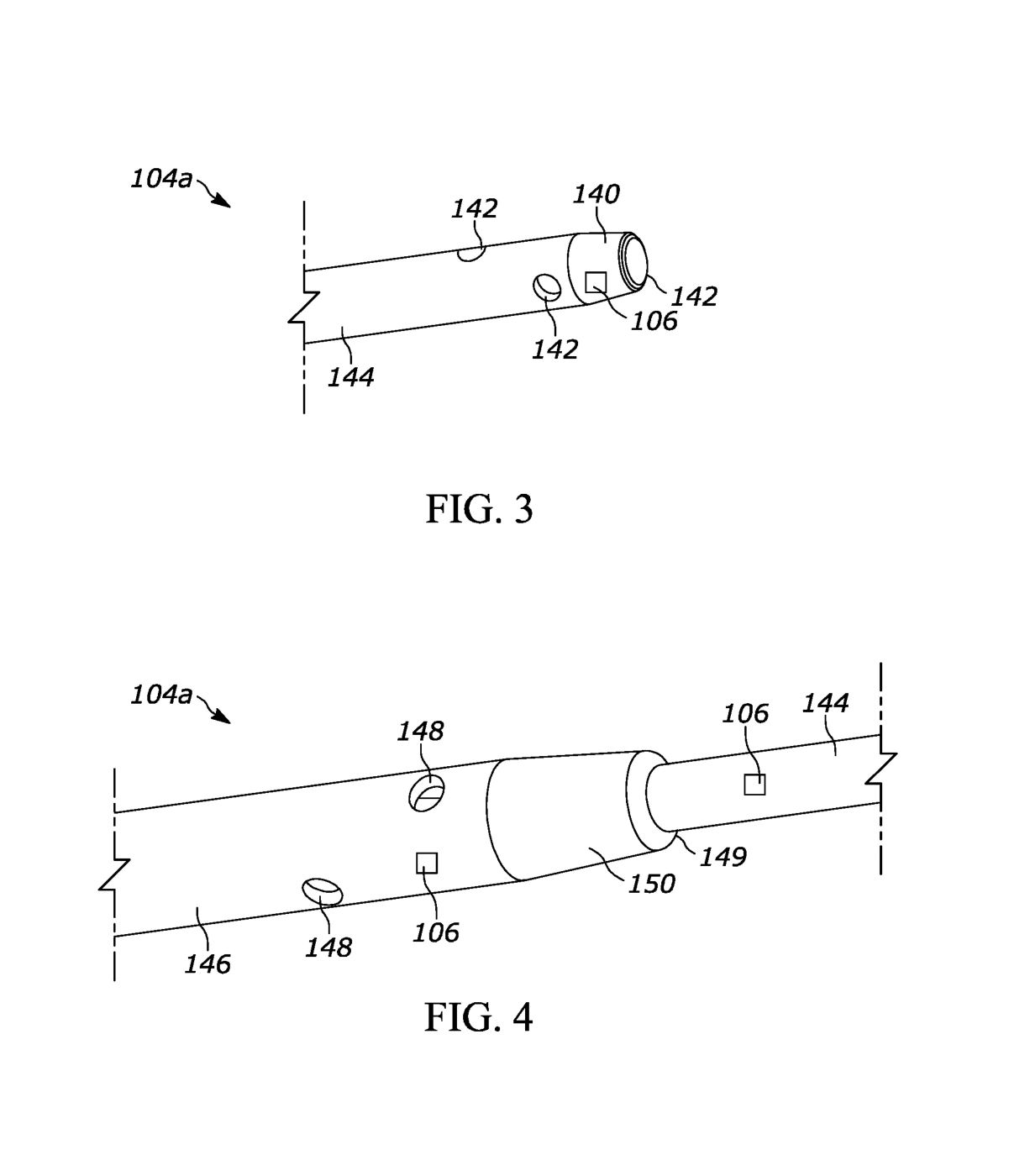 Enlarge figure ↗
Published patent application · 2022
US20220370710A1
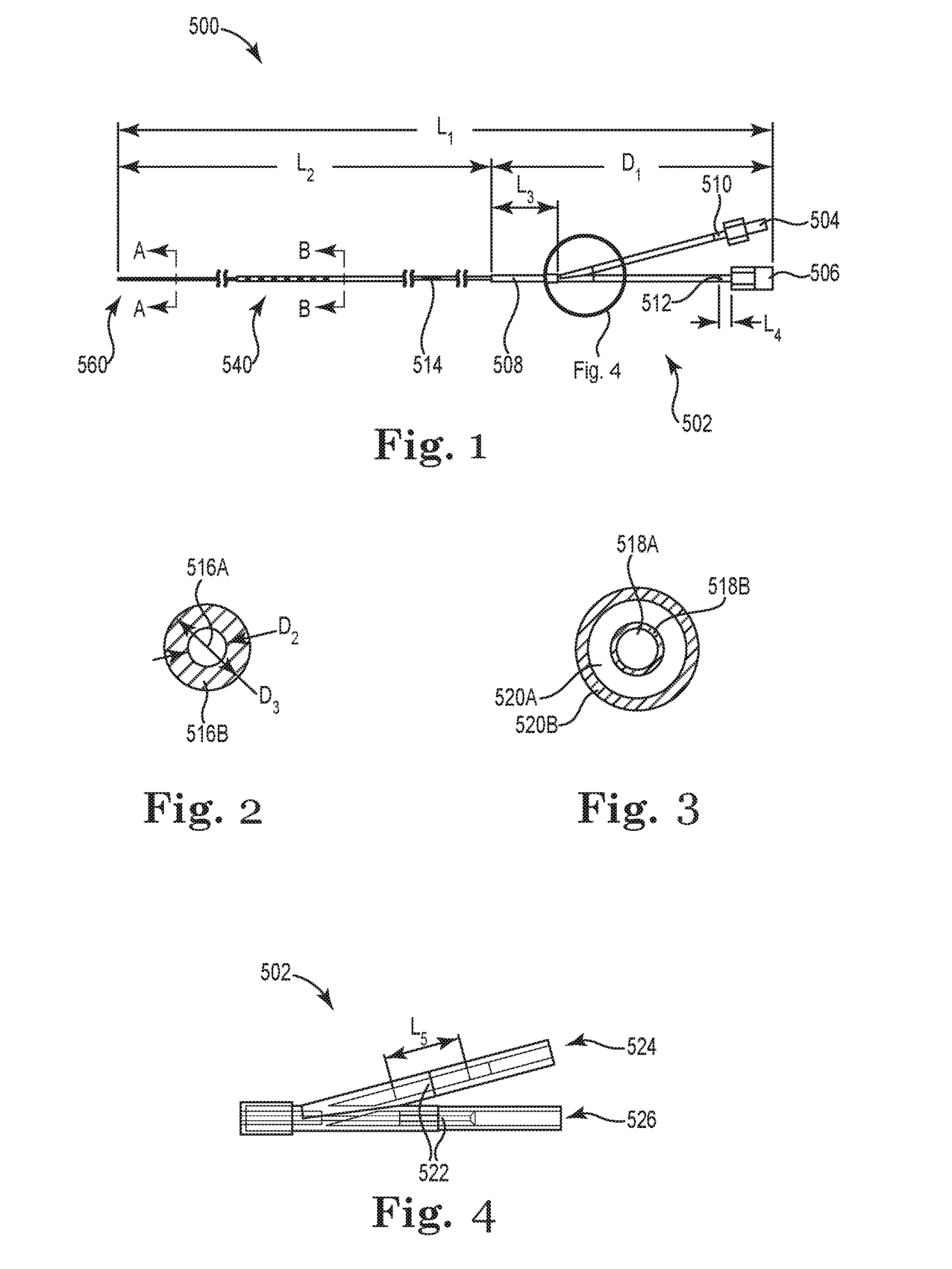 Enlarge figure ↗
Published patent application · 2022
US20220143373A1
From research to invention
Titles and submission dates are recorded in my résumé. The images below come from related published research; public disclosure documents and record numbers are not available.
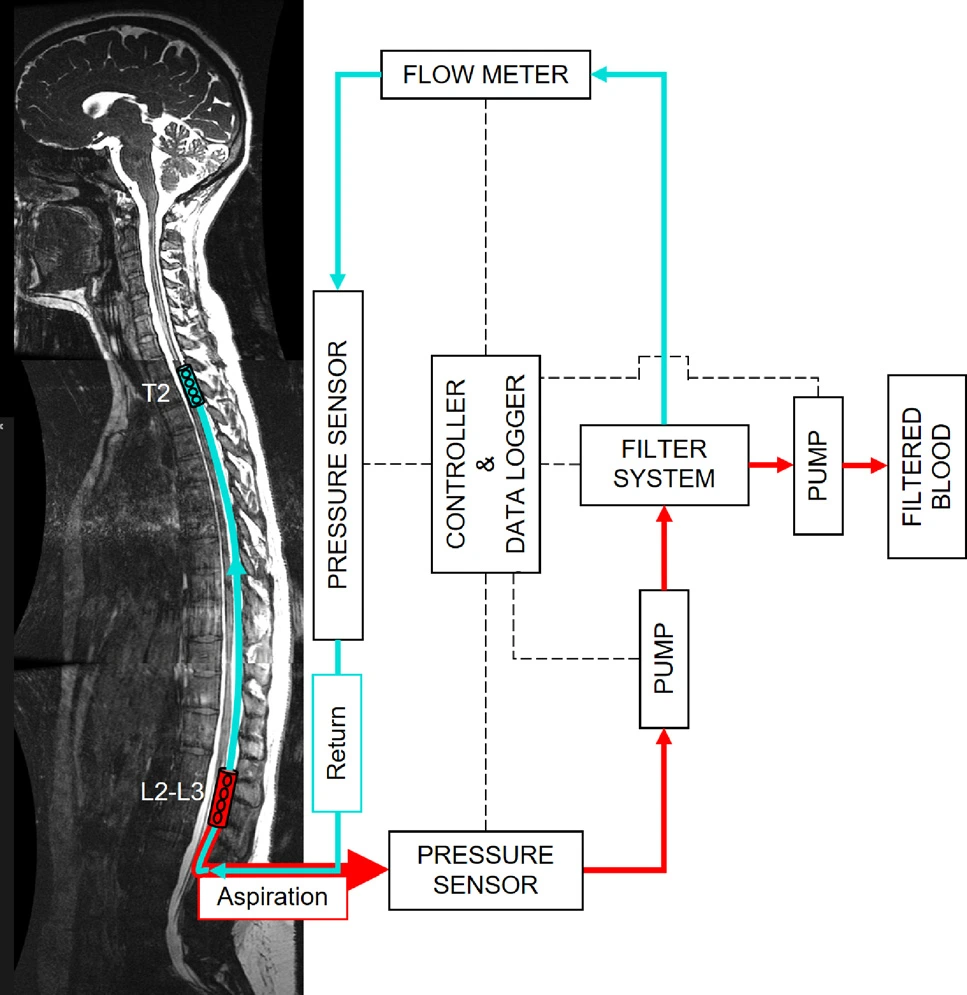 Enlarge figure ↗
Submitted invention disclosure
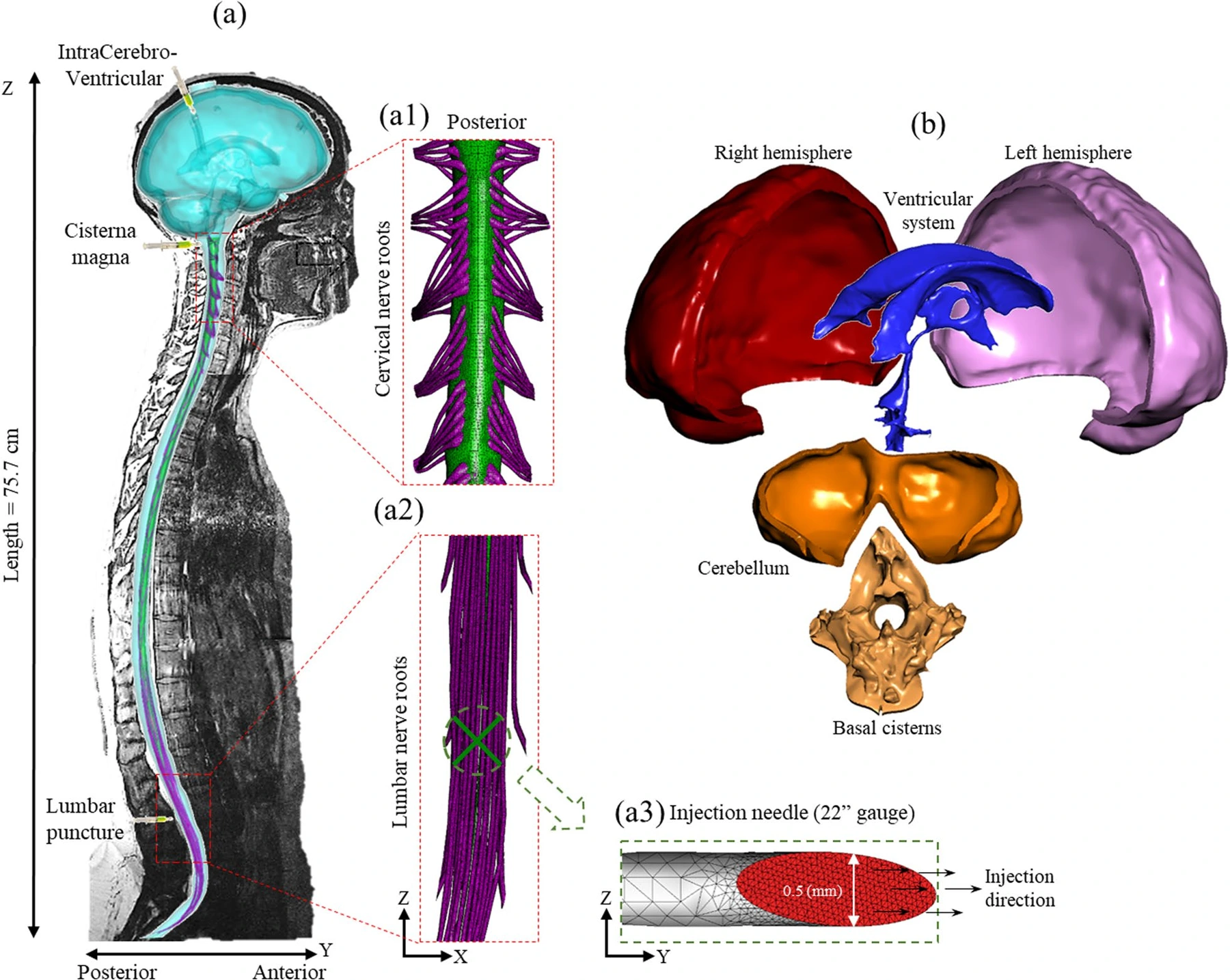 Enlarge figure ↗
Submitted invention disclosure
Research impact
Open my Scholar profile and select Follow for new articles and citation alerts.
344Since 2021
9Since 2021
9Since 2021
Select a year to inspect its citation count. The current year is still in progress.
Open research
Articles covered by funding mandates, as reported by Google Scholar.
View public-access recordsGoogle Scholar · Checked · Refreshes daily.
Selected figures come from the original PDFs. Open a figure to inspect it at full size, or follow the publisher, full-text, and Scholar links. Conference abstracts are listed separately.
14 journal articles
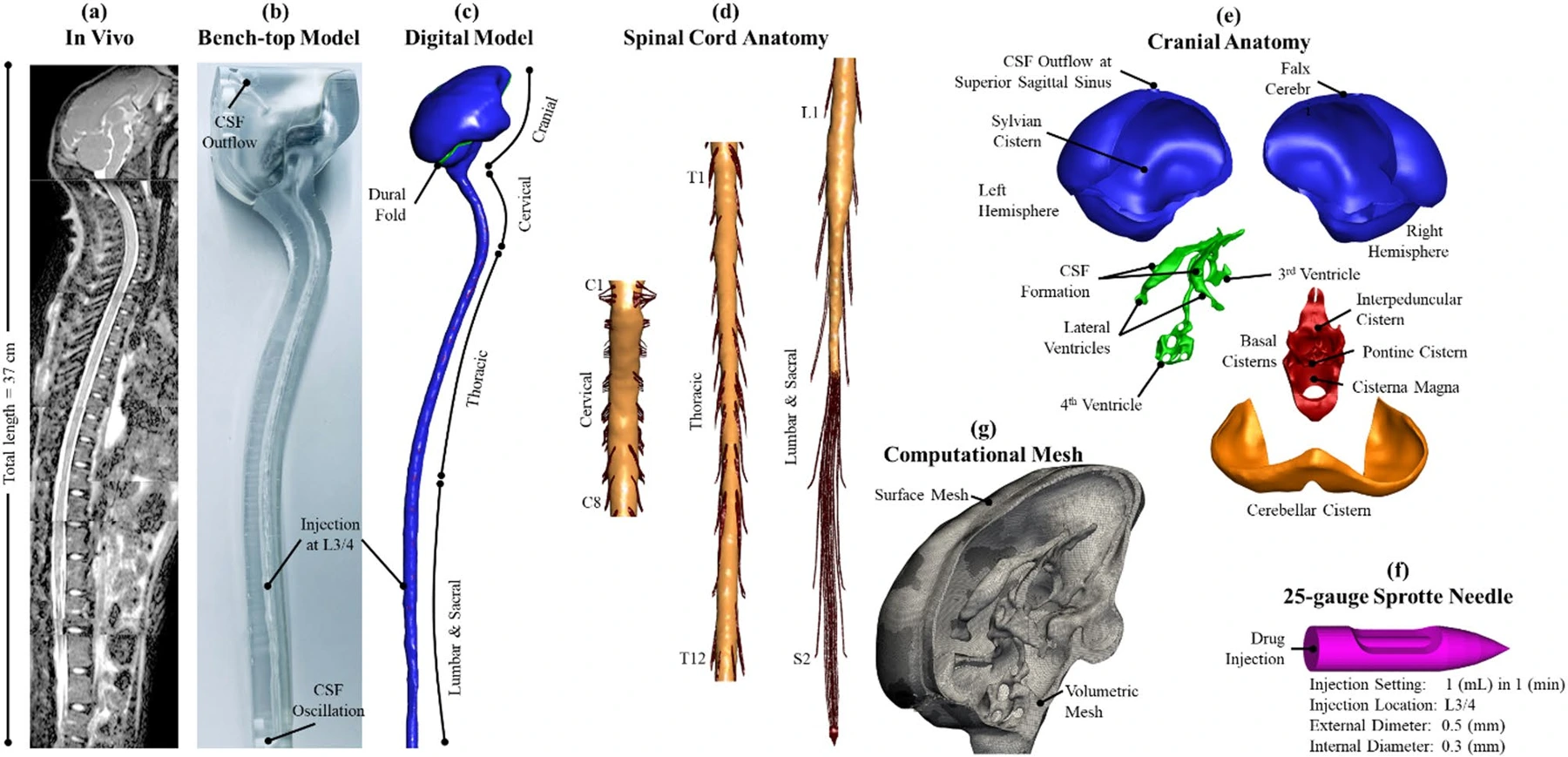 Enlarge figure ↗
2025 · Drug delivery
Fluids and Barriers of the CNS
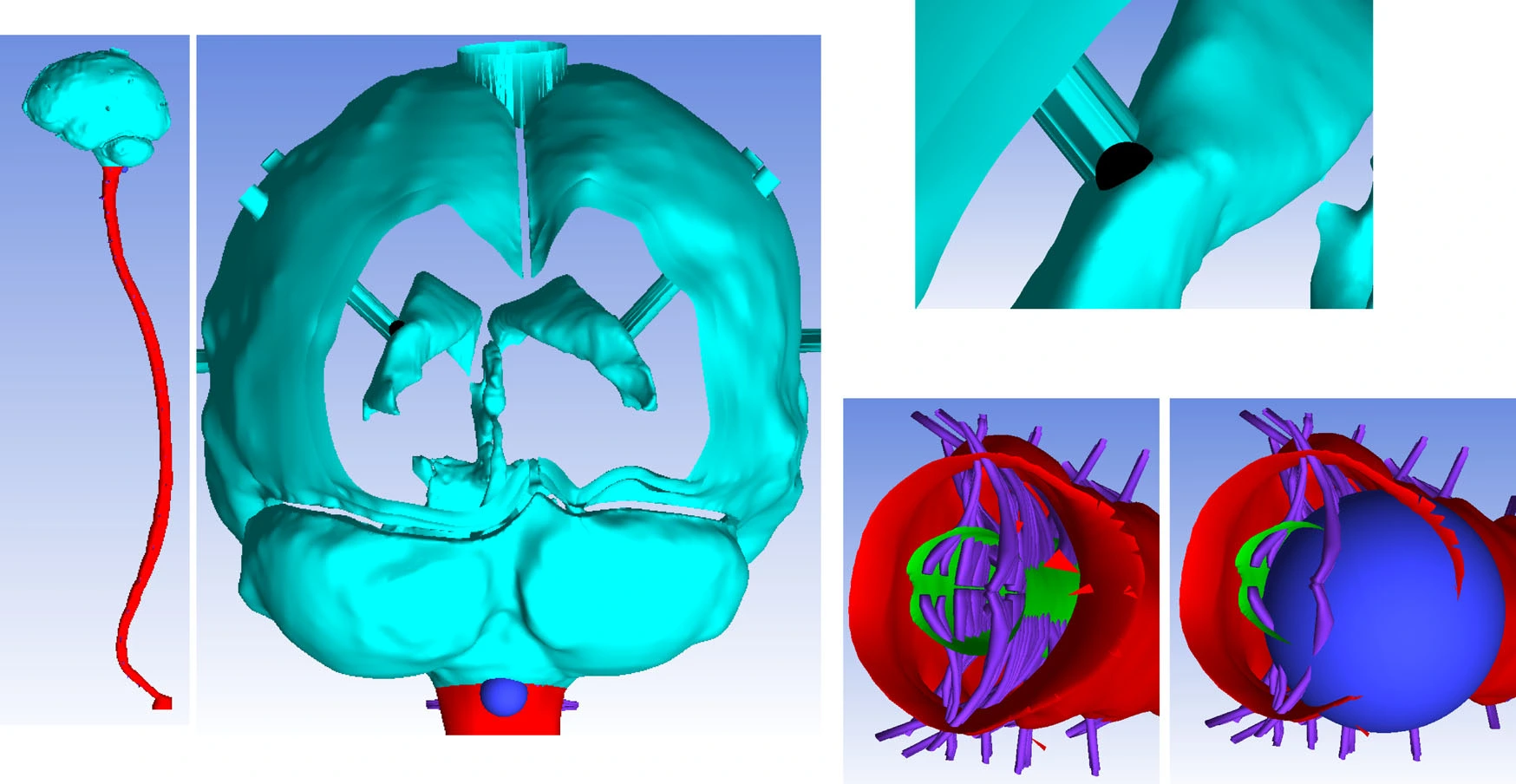 Enlarge figure ↗
2025 · Drug delivery
Communications Medicine
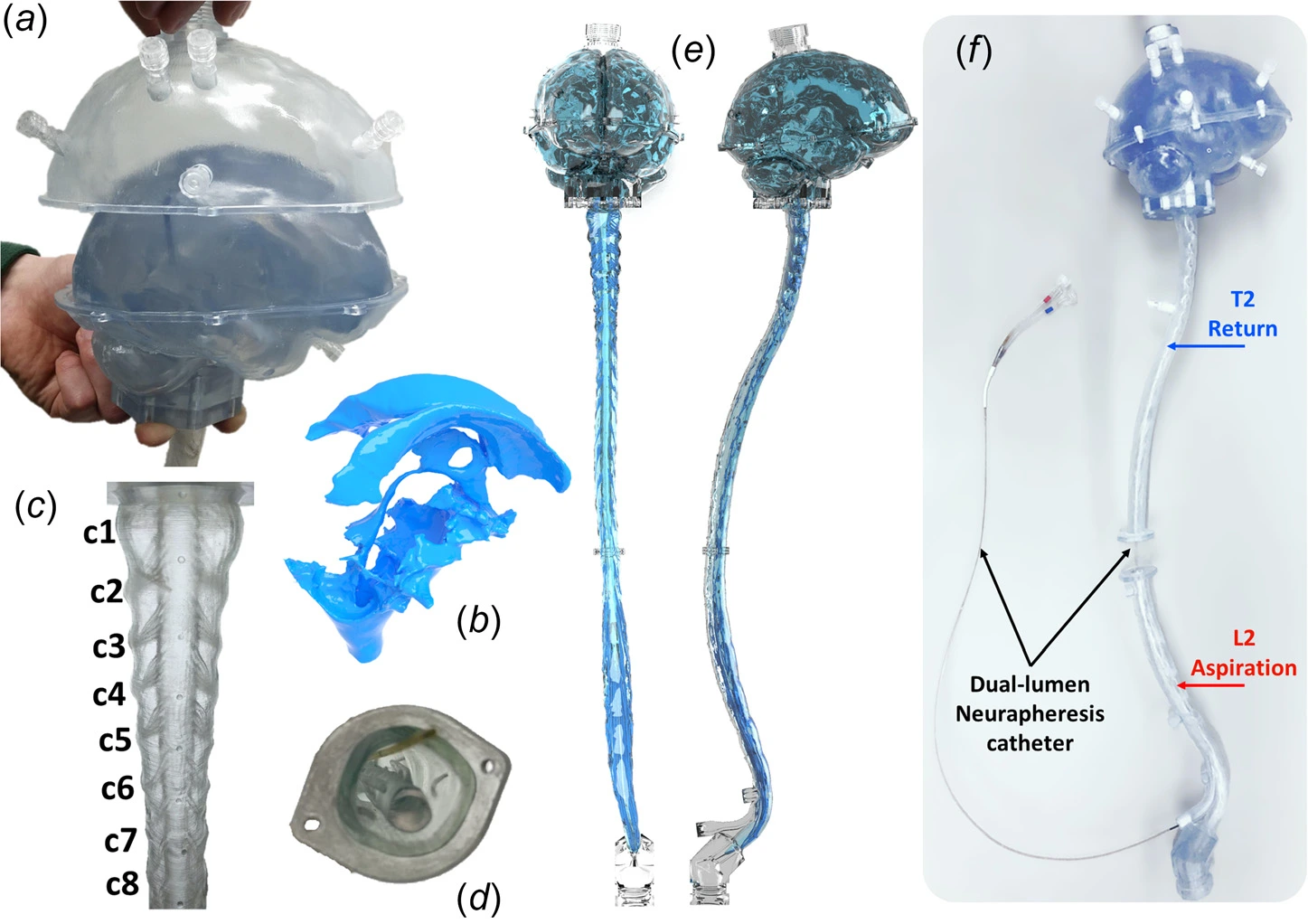 Enlarge figure ↗
2025 · CSF dynamics
Journal of Medical Devices
Enlarge figure ↗2022 · Drug delivery
Fluids and Barriers of the CNS
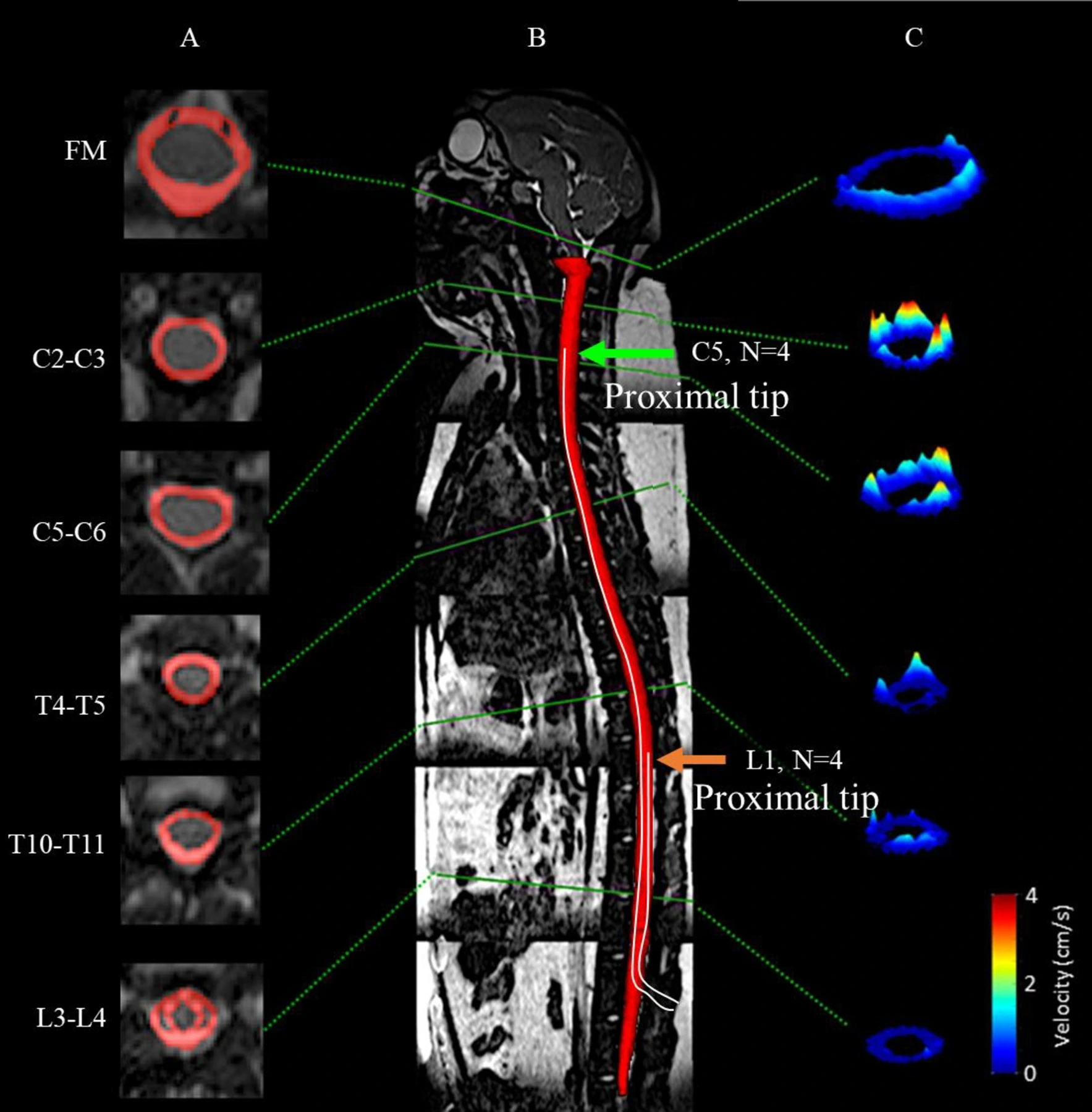 Enlarge figure ↗
2020 · CSF dynamics
PLOS ONE
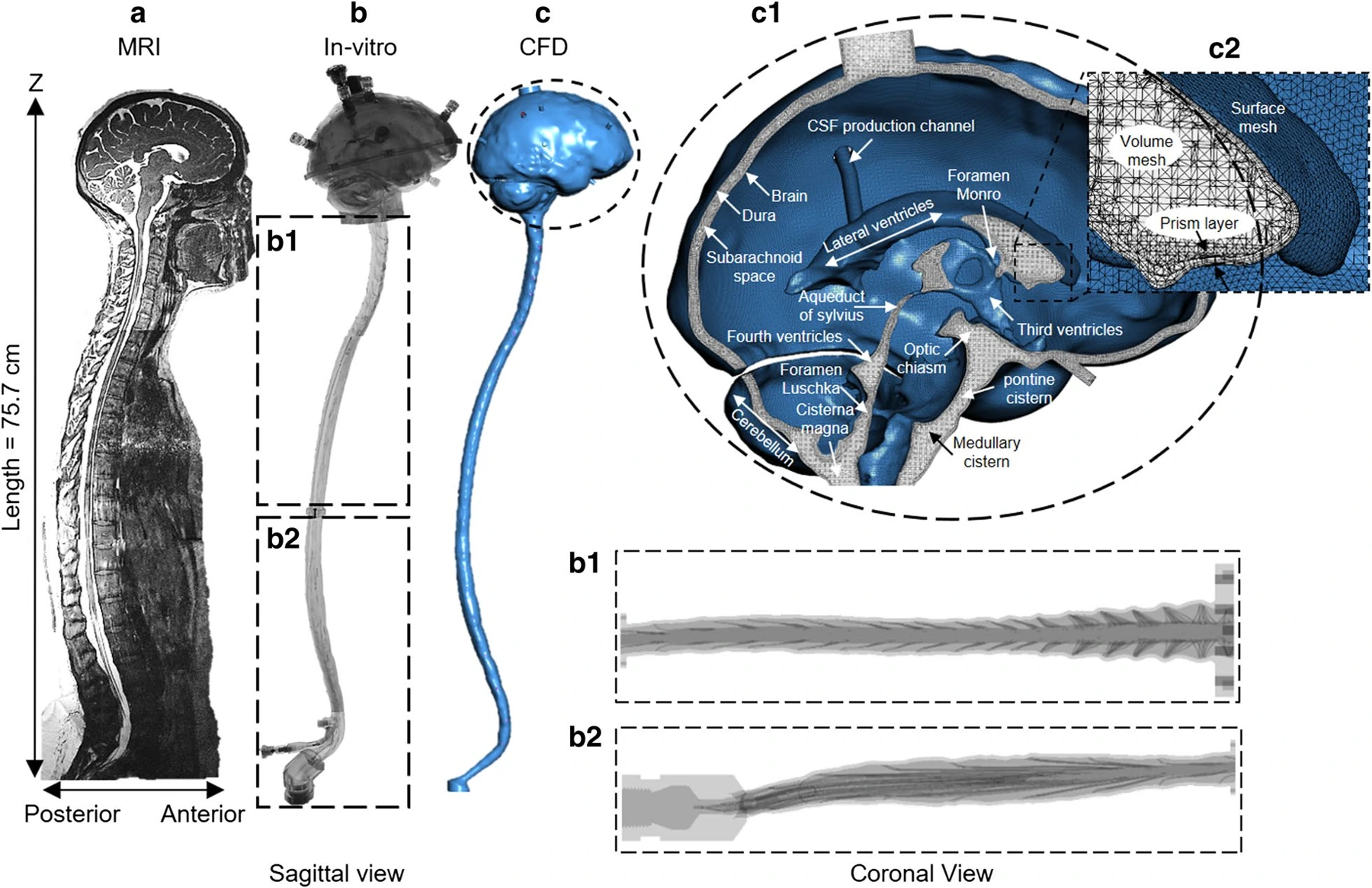 Enlarge figure ↗
2020 · CSF dynamics
Fluids and Barriers of the CNS
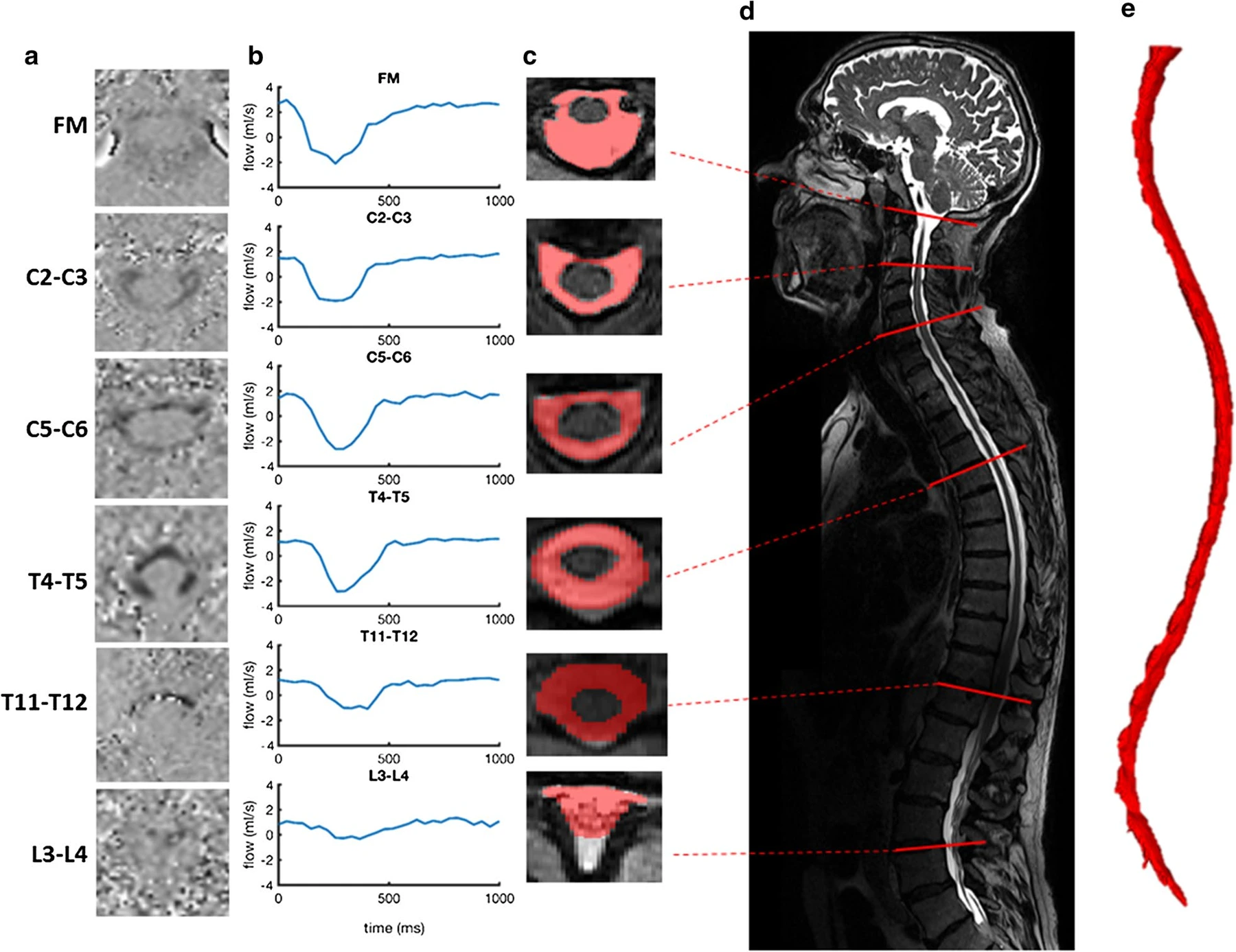 Enlarge figure ↗
2020 · CSF dynamics
Fluids and Barriers of the CNS
Enlarge figure ↗2020 · CSF dynamics
Journal of Biomechanical Engineering
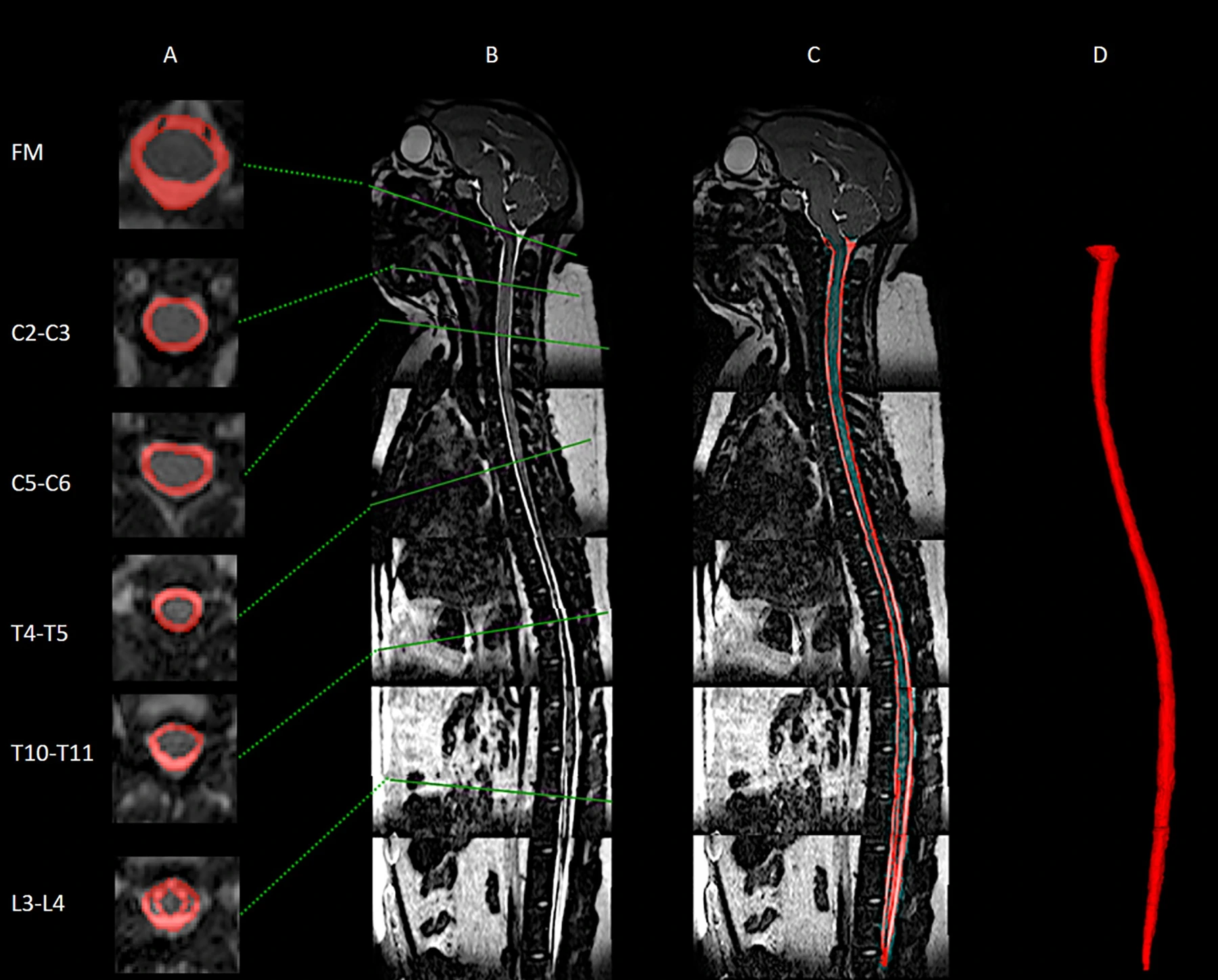 Enlarge figure ↗
2019 · CSF dynamics
PLOS ONE
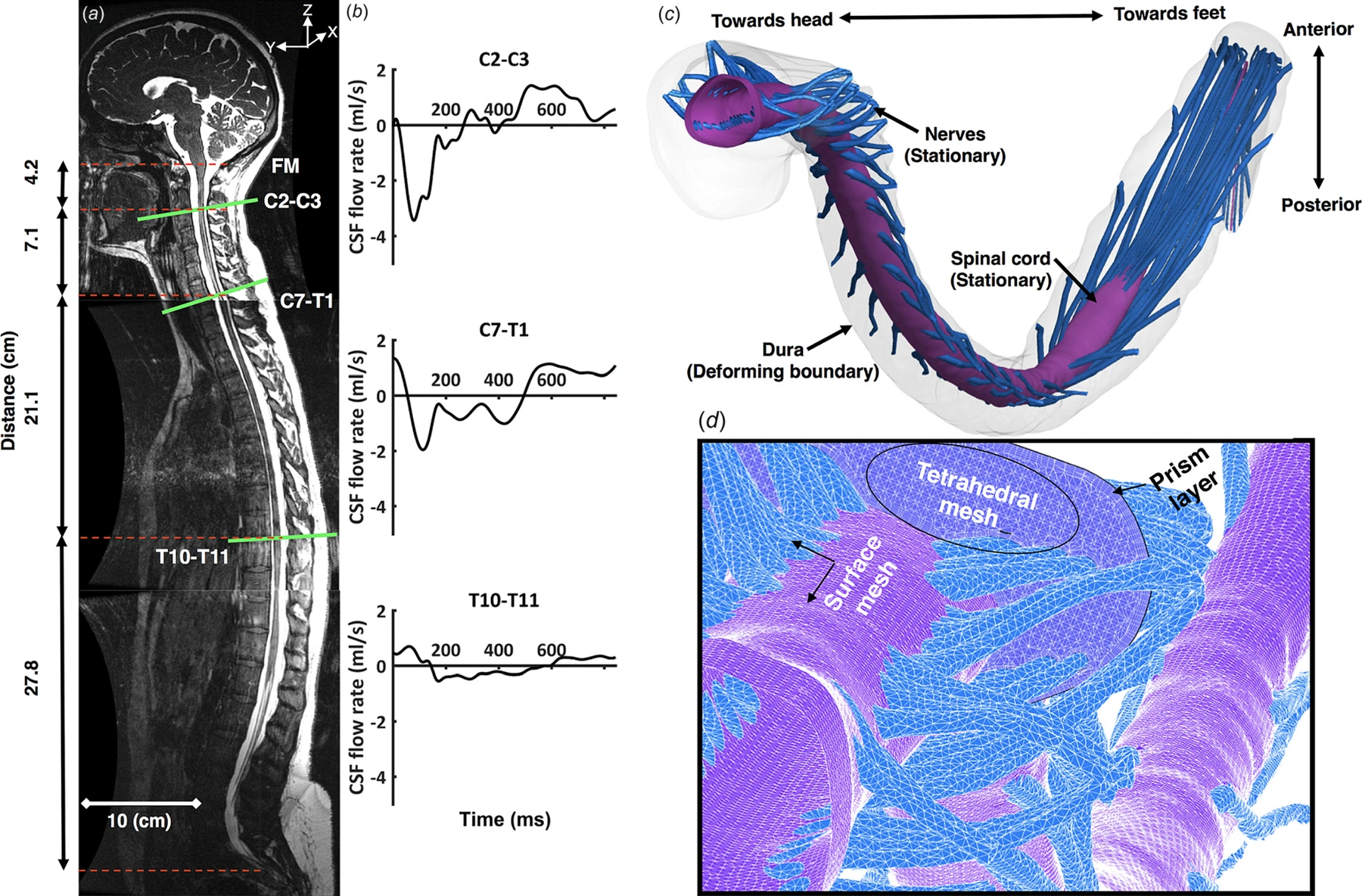 Enlarge figure ↗
2018 · CSF dynamics
Journal of Biomechanical Engineering
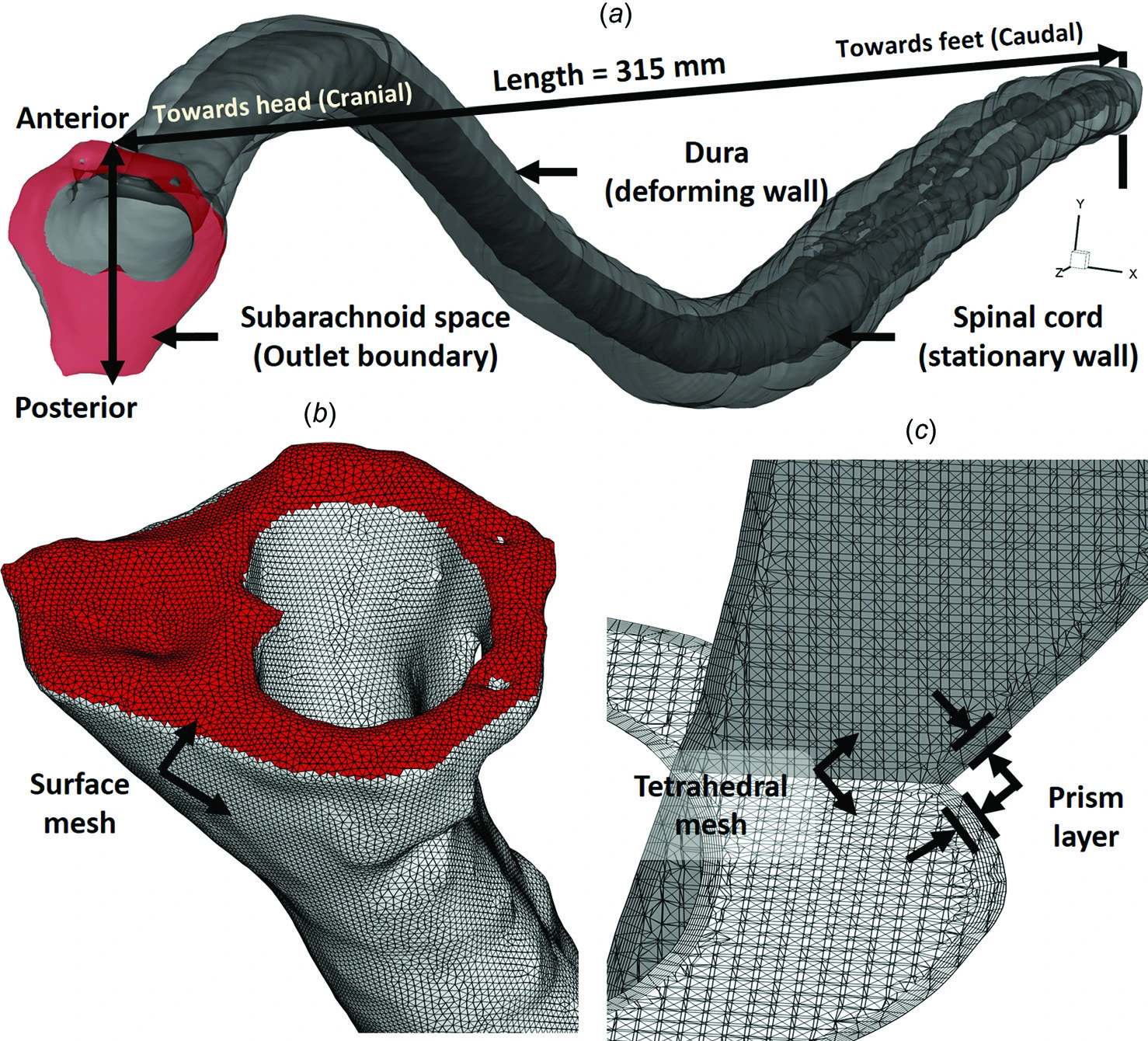 Enlarge figure ↗
2017 · CSF dynamics
Journal of Biomechanical Engineering
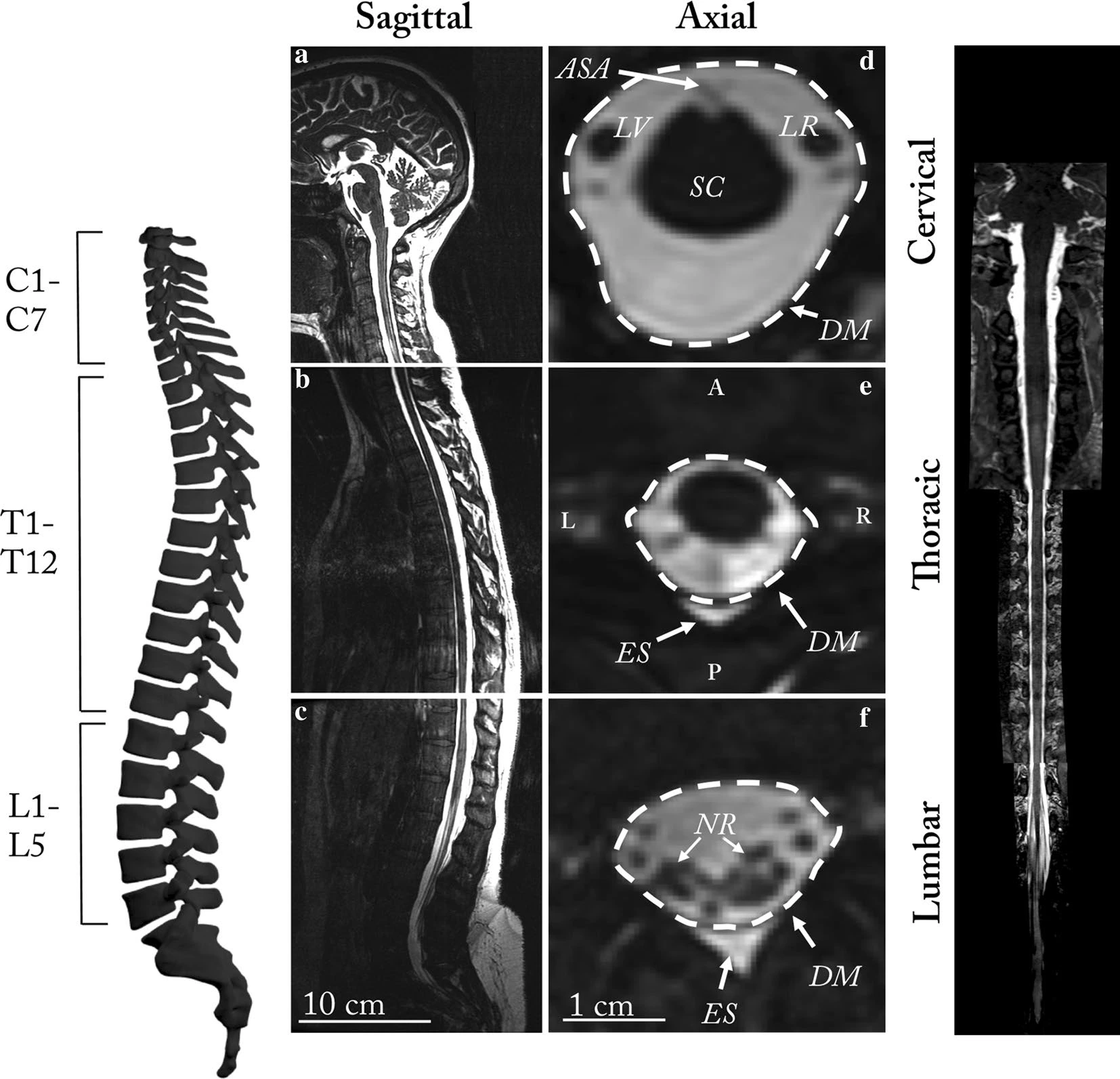 Enlarge figure ↗
2017 · CSF dynamics
Fluids and Barriers of the CNS
2017 · Propulsion
Propulsion and Power Research
2017 · Propulsion
Propulsion and Power Research
Doctoral research
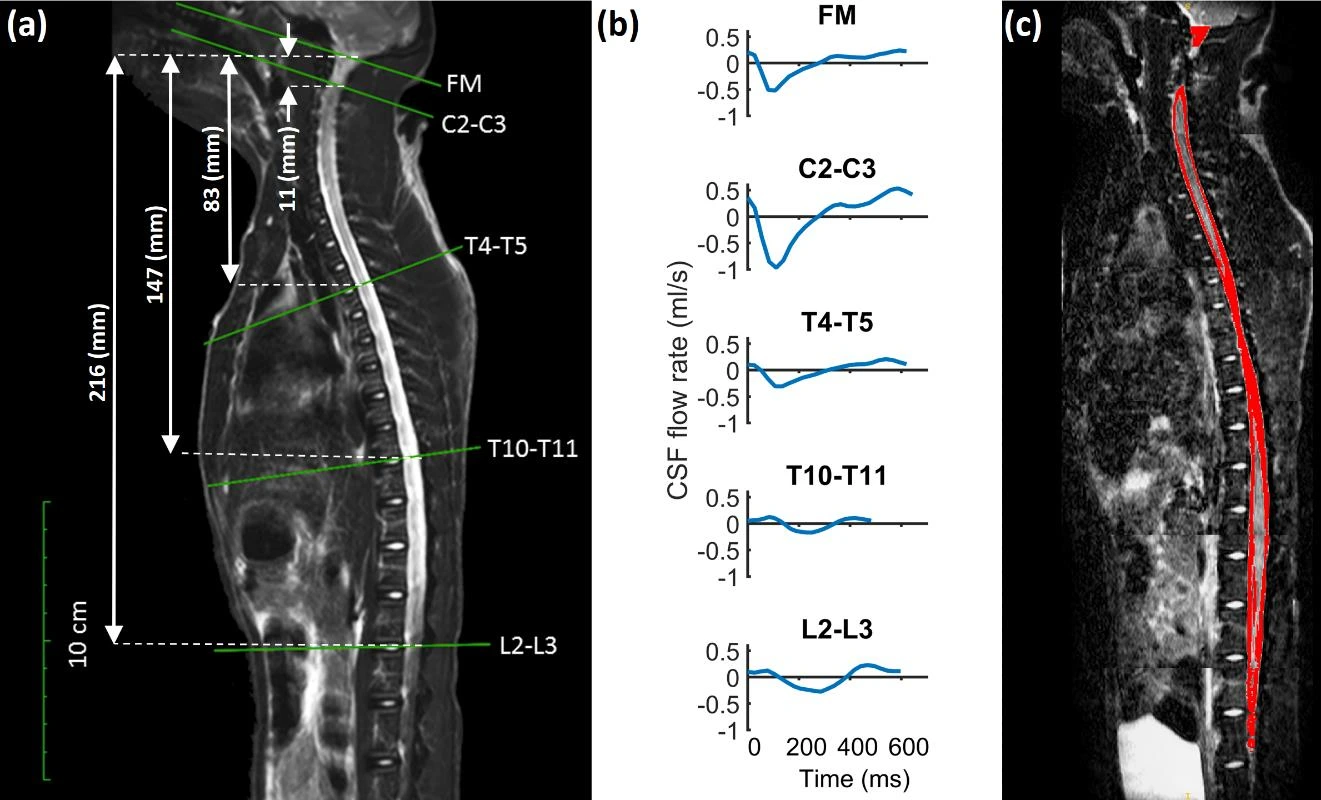 Enlarge figure ↗
2019 · Dissertation
University of Idaho · PhD dissertation
3 conference abstracts
2025 · Conference abstract
Human Gene Therapy 36 (3–4), E280 · Conference abstract
2024 · Conference abstract
Molecular Therapy 32 (4), 317–318 · Conference abstract
2024 · Conference abstract
Molecular Therapy 32 (4), 746–747 · Conference abstract
No publications match your search.